

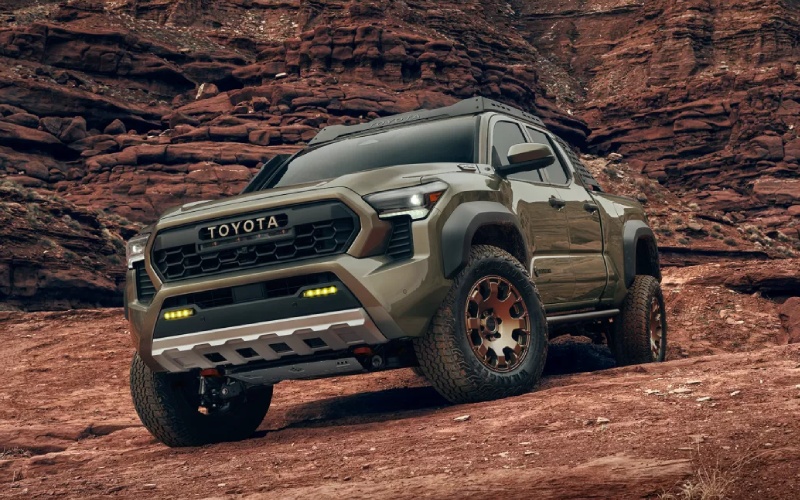
Toyota of Portland - TRD Pro vs. Trailhunter — Which 2026 Toyota Tacoma Off-Road Build Fits Vancouver, WA Adventures?
The 2026 Toyota Tacoma arrives with two factory-built off-road heavyweights that speak to different kinds of Pacific Northwest adventures: TRD Pro and Trailhunter. If you live in or around Vancouver, WA and split your time between weekday commutes and weekend trailheads, choosing the right build is all about how you’ll use the truck—speed over rough terrain, slow-crawl capability, overlanding range, or a bit of everything. Here’s how both trims stack up for local roads, logging spurs, and the paths that begin where pavement ends.
What each trim is built to do
TRD Pro is the Tacoma you pick when you want to move quickly and stay composed on ruts, washboard, and uneven terrain. With 2.5-in. FOX Internal Bypass QS3 shocks, specialized tuning, and IsoDynamic Performance front seats that help stabilize your upper body, it’s happiest charging across varied surfaces without beating you up along the way. Trailhunter, on the other hand, is engineered as an out-of-the-box overlander. It brings an ARB steel rear bumper with recovery hooks, rock rails, a high-mount air intake, and Old Man Emu forged monotube position-sensitive shocks—equipment that points to longer trips, loaded-down stability, and the confidence to go off-grid.
Both trims run the i-FORCE MAX turbocharged hybrid powertrain for strong low-end torque—key for getting up steep grades and easing over obstacles. That torque-rich character pays dividends around Vancouver, too, when you’re merging onto SR-14 or pulling a small trailer toward the Columbia River Gorge.
Ride quality, traction, and trail control
The big story with TRD Pro is how planted it feels at speed on dirt and broken pavement. The FOX shocks manage a wide range of terrain seamlessly, serving up control without a harsh ride. Those IsoDynamic seats reduce body toss over ruts and dips, which keeps you more relaxed over a long day of exploring. Trailhunter focuses on traction and durability with its Old Man Emu shock package, high-clearance front bumper, and added protection. It’s ideal for methodical progress on technical segments where obstacle clearance, underbody awareness, and stable damping matter most.
Both trucks benefit from Tacoma’s available Stabilizer Disconnect Mechanism for improved articulation and Crawl Control for controlled low-speed progress. Add the available 3D Multi-Terrain Monitor to see around and below the truck in tight situations, and you can place your wheels with confidence when trails narrow or angles get steep.
Overlanding and everyday practicality in Vancouver, WA
If your weekends look like long gravel approaches, dispersed campsites north of the Lewis River, and a fire pit under the stars, Trailhunter’s gear makes a compelling case. The high-mount air intake can help when the route turns dusty, while the ARB steel rear bumper and rock rails add protection when your line choice gets tight. Trailhunter also pairs naturally with rooftop tents, fridges, and recovery gear. And the available 2400W power supply can run campsite essentials without bringing a separate generator.
TRD Pro’s strengths show up if you like to cover ground and keep a brisk pace between scenic stops. The shock tuning and IsoDynamic seating reduce fatigue, and the hybrid’s torque turns steep climbs into a non-event. Around town in Vancouver, both trucks are easy to live with—quiet, composed, and compact enough to thread through Uptown Village or park near the waterfront.
Tech that helps on- and off-road
Both trims can be equipped with an available 14-in. touchscreen and a 12.3-in. digital gauge cluster that brings off-road data front and center. Trailer Backup Guide with Straight Path Assist can be a game-changer when you’re guiding a small trailer 90 degrees into a side yard or backcountry site. Toyota Safety Sense 3.0 comes standard across the Tacoma lineup, adding driver assistance that eases the strain of I-5 congestion and late-evening returns from a trail day.
- TRD Pro strengths: High-speed composure, FOX shock control, IsoDynamic seats
- Trailhunter strengths: Overlanding hardware, high-mount intake, ARB bumper, rock rails
- Shared wins: i-FORCE MAX torque, available 2400W power supply, trail camera system
- Everyday benefits: Driver assistance, intuitive tech, balanced size for city errands
Wondering which suits you best? Think about your use case: fast-and-flowing routes with varied terrain point to TRD Pro; multi-day off-grid travel with recovery gear and added protection points to Trailhunter. If you split the difference, either build is up for the task, and tires, accessories, and loadout can further tailor the truck.
Frequently Asked Questions:
Which 2026 Tacoma off-road trim is more comfortable on bumpy roads?
TRD Pro’s FOX shocks and IsoDynamic Performance front seats are tuned for high-speed control and reduced fatigue, making it a standout on graded dirt, washboard, and broken pavement.
Which trim is better for extended overlanding trips?
Trailhunter. Its ARB steel rear bumper with recovery hooks, rock rails, high-mount air intake, and Old Man Emu shocks are purpose-built for longer, gear-heavy trips and methodical trail progress.
Do both trims have the hybrid powertrain?
Yes. Both TRD Pro and Trailhunter use the i-FORCE MAX turbocharged hybrid system, delivering strong, immediate torque that helps on steep climbs and when maneuvering obstacles.
Can I get a manual transmission on TRD Pro or Trailhunter?
The available 6-speed manual is offered on select Tacoma grades; TRD Pro and Trailhunter are focused on their hybrid performance and equipment. Ask our team which current configurations best match your transmission preference.
How do these trims handle daily driving in Vancouver?
Both are easy to live with—quiet, maneuverable, and packed with driver assistance for city traffic. TRD Pro leans toward cushioned control over rough roads, while Trailhunter brings more hardware for backcountry trips.
At Toyota of Portland, we help drivers map their real-world use to the right Tacoma equipment, from suspension and cameras to bed power and accessories. If you’re planning to build out a rig for the Gifford Pinchot, a coastal trip, or a quick sunset loop along the river, we can walk you through what matters most for your routes. We’re proud of our knowledgeable team and straightforward process—serving Happy Valley, Beaverton, and Vancouver with practical guidance and trucks that are ready on day one.
Next step? Outline your typical weekend mileage, your preferred terrain, and what you carry. From there we’ll recommend tires, recovery essentials, and the trim that fits your plan. Both TRD Pro and Trailhunter are exceptional; the right choice is the one that aligns with how and where you’ll drive.
Request more 2026 Toyota Tacoma information
Categories:
Toyota Tacoma
